Measured Agricultural
Sustainability

about us

Our name says it all: we trace sustainability performance so you can save resources, costs, and ecosystems.
What We Do
We help farmers measure, understand, and improve the sustainability of their operations.
By turning on-farm data into clear, practical insights, our assessments support better decision-making for long-term productivity, environmental care, and responsible land stewardship.
Every farm, every partnership, and every project contributes to a smarter, more sustainable agricultural future. We are proud to work alongside those who are committed to growing responsibly-one field at a time.
Our Core Services
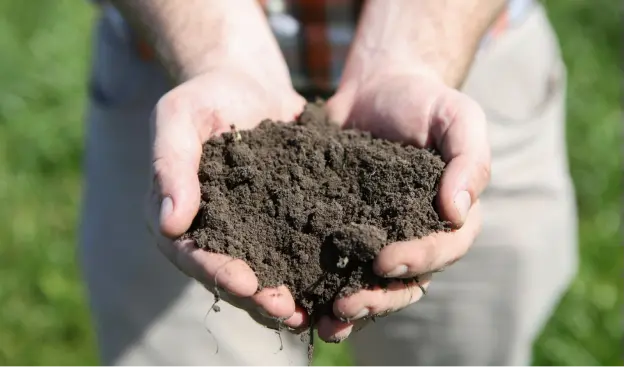
- Sustainability Assessments: Evaluate soil, water, atmosphere and nutrients through our SWAN system.
- Carbon Footprint & Climate Impact: Measure, monitor, and reduce emissions.
- Data & Reporting: Turn your sustainability data into clear, useful insights.
- Research & Collaboration: Partner with universities and companies to advance sustainable agriculture.
Why It Matters
By measuring what matters, you can:
- Cut costs through efficient resource use.
- Reduce environmental impact.
- Strengthen farm resilience.
- Meet sustainability and buyer requirements.
- Keep record of the progress you make.
clients and projects


Frequently asked questions
Sustainable farming is an approach to agriculture that protects natural resources, supports long-term farm profitability, and benefits the surrounding community. It focuses on managing soil, water, nutrients, and biodiversity in ways that avoid long-lasting environmental harm. Importantly, sustainable farming also aims to restore ecosystem health and function where degradation has already occurred, ensuring the land remains productive for future generations.
Farming more sustainably means reducing environmental impact while improving efficiency, resilience, and profitability. This includes adopting practices that enhance soil health, optimise nutrient use, protect water resources, and improve livestock and grazing management.Trace & Save’s SWAN assessments highlight the areas on your farm with the greatest opportunities to lower environmental impact, strengthen productivity, and guide practical, evidence-based improvements.
Reducing a farm’s environmental impact on soil, water, atmosphere, nutrients and biodiversity involves the following key aspects:
- Improving resource-use efficiency (water, nutrients, energy)
- Reducing nutrient losses to waterways, soil, and the atmosphere
- Promoting circularity by recycling manure and organic materials back into the system
- Measuring performance and input use to track progress and identify priority improvements
Trace & Save provides the data needed to understand where these opportunities lie and how they change over time.
Measuring your farm’s environmental impact gives you the information needed to make smarter management decisions. By tracking soil health, nutrient efficiency, water use, and biodiversity, you can:
- Identify where inputs can be reduced, lowering costs without reducing production
- Improve yields and stability by using resources more effectively
- Demonstrate sustainability to buyers, processors, and consumers
- Build a long-term record of your farm’s environmental performance
- Understand how management changes affect outcomes and refine your practices year after year
Data turns sustainability into a practical business tool—helping your farm become more resilient, efficient, and competitive.
Yes. Regenerative practices improve soil structure, organic matter, and biological activity, which naturally enhances nutrient cycling and pest resilience. As soil and ecosystem health improve, farms often become less dependent on synthetic fertilizers and pesticides.
Trace & Save helps farmers measure input use, monitor nutrient flows, and identify opportunities to reduce chemicals responsibly—without compromising productivity or yields.